5 Ways to Prevent Rosacea Flare-Ups
Nov 09, 2026
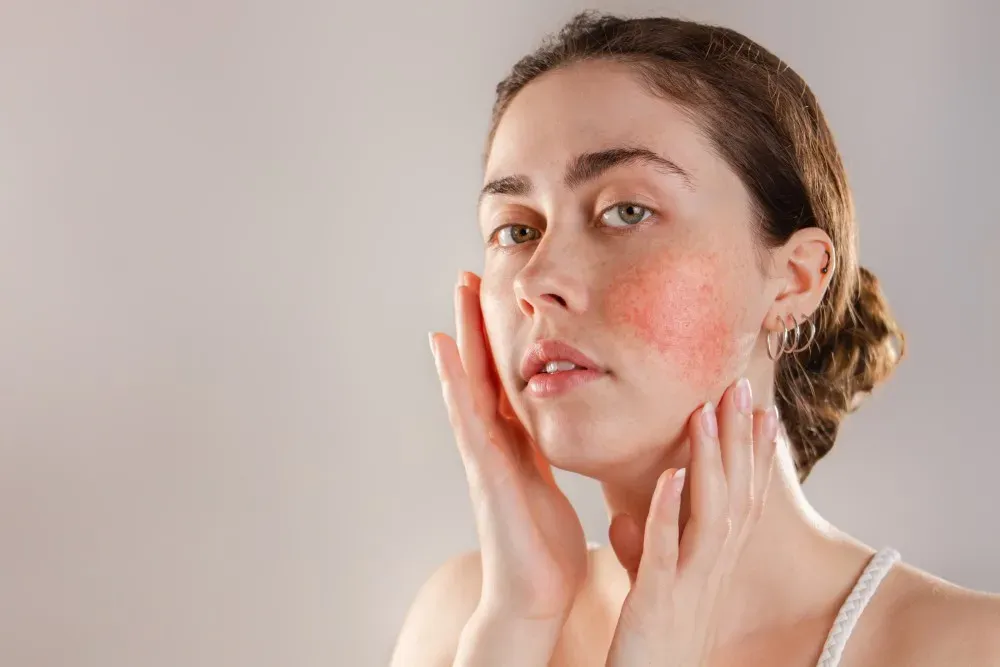
Causing persistent redness, visible blood vessels, and pimple-like bumps across your face, rosacea flares can strike at any time: Before a big date, your class pictures, or a final job interview.
This chronic inflammatory condition can also leave skin burning, itchy, and dry. Rosacea affects 16 million Americans and can be especially challenging for those living in the desert. Intense sunlight, low humidity, and rapid temperature shifts between outdoor heat and indoor air conditioning strain delicate facial capillaries.
While common and chronic, rosacea is also treatable. At Skin Care Specialists, with offices in East Mesa, North Mesa, Scottsdale, Tempe & Queen Creek, AZ, our specialists provide tailored treatment to help patients control inflammation and protect their skin barriers.
Sunlight is the most common trigger for rosacea. Ultraviolet rays cause oxidative stress, damage collagen, and prompt blood vessels to dilate rapidly near the skin's surface.
To safeguard your skin effectively in the desert:
Aggressive skin care products strip the outer epidermal layer, leaving facial nerve endings exposed to irritation. When the skin barrier breaks down, redness flares and burning worsens.
Instead, wash with a mild, soap-free cleanser and lukewarm water. Hot water expands surface capillaries, while cold water causes reactive flushing. Pat your skin dry with a soft cotton towel rather than rubbing, and moisturize immediately to lock in hydration.
Certain foods prompt your nervous system to dilate the blood vessels in your face, triggering intense heat and flushing within minutes of eating.
Common dietary triggers include:
Keeping a brief daily food journal helps you spot specific ingredients that aggravate your complexion.
Rapid shifts in temperature place immense stress on facial circulation. Moving from a scorching outdoor parking lot into a freezing, air-conditioned building causes blood vessels to constrict and dilate rapidly.
During the hottest months, keep a cool-mist spray or a cold water bottle nearby to lower your body temperature gradually. When winter arrives, cover your lower face with a soft silk or breathable cotton scarf to block desert winds.
Also, avoid hot tubs, steam rooms, and prolonged hot showers, as sustained heat exposure frequently initiates prolonged swelling and inflammation.
When lifestyle adjustments and over-the-counter creams are unable to manage breakouts and redness, dermatological intervention can.
Our team evaluates your specific subtype to prescribe targeted solutions, including:
Taking control of your skin begins with a clear, personalized clinical plan. Contact us today to set up a consultation